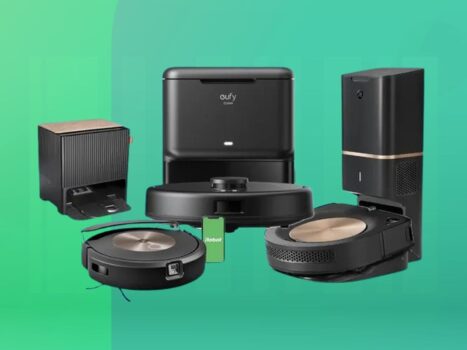
The vacuum cleaner makes all the difference in a world where timing is key and cleanliness is next to godliness. With the advance technology how will one to ensure choosing the best robot vacuum cleaner that suits one’s needs perfectly? The ideal vacuum robot does the cleaning and adapts, learns, and integrates seamlessly into one’s…

Affiliate disclosure: ExpertPicks is reader-supported. When you buy through links on this page, we may earn a commission at no extra cost to you. As an Amazon Associate I earn from qualifying purchases. Learn more.
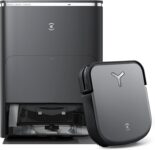
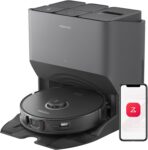
Advanced AIVI 3.0 and TrueMapping 2.0 technology provides precise obstacle avoidance and navigation, recognizing and avoiding over 20 types of objects.
All-in-one OMNI station features hot water mop washing, auto-emptying dustbin, and self-drying capabilities for truly hands-free maintenance.
OZMO™ Turbo 2.0 rotating mopping system with dual spinning mops removes stubborn stains and automatically lifts 15mm for carpet detection.
6400mAh battery provides up to 180 minutes of runtime with auto-recharge and resume .function for larger homes
Premium app control with 3D mapping, customizable cleaning schedules, virtual boundaries, and real-time monitoring.
Voice control compatibility with Alexa and Google Assistant.
Large docking station may require significant space.
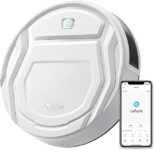
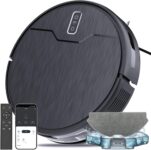
Slim 2.99″ Design easily fits under furniture, reaching tight spaces for thorough cleaning.
Brushless Suction Port prevents hair tangles, making it ideal for pet owners.
6 Cleaning Modes including auto, spot, edge, zigzag, scheduled, and manual for customized cleaning.
Smart App & Voice Control supports Alexa, Google Assistant, and app scheduling for hands-free operation.
Freemove 3.0 Technology with 13 sensors ensures obstacle avoidance and fall prevention.
120-Minute Runtime covers large areas and auto-returns to the dock when the battery is low.
500ml Large Dustbin reduces emptying frequency, allowing for more efficient cleaning.
No mapping feature.
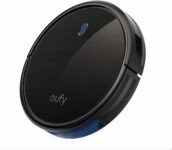
BoostIQ Technology automatically increases suction power within 1.5 seconds when extra cleaning strength is needed
Up to 100 minutes of runtime on hardwood floors, with auto-charging capability when battery runs low
Triple-filter system with double-layer filter and high-performance filter effectively traps dust and allergens
Anti-scratch tempered glass top cover provides durability while maintaining a sleek appearance
Multiple cleaning modes include Auto, Edge, Spot, and Single Room for customized cleaning needs
Infrared sensors help avoid obstacles and anti-drop technology prevents falls from stairs
No WiFi or app control – focuses on basic functions.
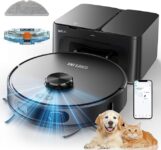
Dual Roller Brush System reduces hair tangles and enhances deep cleaning performance.
Auto Mop Lifting & Washing lifts mop on carpets and self-cleans for hassle-free maintenance.
AI-Powered Obstacle Avoidance detects and avoids common household objects for smooth navigation.
LiDAR Mapping & Multi-Floor Mapping creates precise home maps for efficient cleaning routes.
Smart App & Voice Control supports Alexa, Google Assistant, and customizable cleaning schedules.
180-Minute Battery Life provides extended cleaning time with auto-recharge and resume function.
Large dock requires ample space.
Self‑emptying station stores dust for up to sixty days without manual intervention.
Strong 4500 Pa suction power effectively removes dirt, debris, and pet hair.
3‑in‑1 functionality vacuums, sweeps, and mops floors in a single pass.
Wi‑Fi and app connectivity allow remote control and scheduling of cleaning sessions.
Compatible with voice assistants like Alexa for convenient hands‑free operation.
Auto‑charging feature returns vacuum to base and resumes cleaning automatically.
Large design may prevent it from fitting under some low furniture pieces.
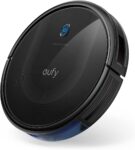
Ultra-slim 2.85-inch design ensures thorough cleaning under furniture and tight spaces
BoostIQ technology automatically adjusts suction based on floor type for optimal cleaning
100-minute runtime provides complete home coverage with auto-return charging
Quiet 55dB operation lets you continue daily activities without disruption
Budget-friendly price point delivers essential features for reliable cleaning
Compact charging base fits easily in small spaces
Basic navigation system handles straightforward cleaning needs
Basic navigation without smart mapping
2-in-1 Vacuum & Mop sweeps and mops simultaneously with an electronically controlled water tank.
Smart Navigation & Mapping ensures efficient cleaning paths, reducing missed spots.
Multiple Cleaning Modes include auto, spot, edge, zigzag, and scheduled cleaning for customization.
Smart App & Voice Control supports remote operation via app, Alexa, and Google Assistant.
Long Battery Life & Auto-Recharge runs up to 120 minutes and returns to the dock when low on battery.
Obstacle Avoidance Sensors prevent collisions and falls for smooth and safe navigation.
Large Dustbin & Water Tank minimize emptying and refilling, making maintenance hassle-free.
Large capacity dustbin reduces emptying frequency
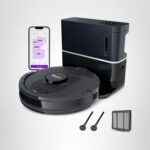
Matrix Grid Cleaning ensures complete coverage by systematically cleaning in a precise, grid-like pattern.
AI Laser Navigation intelligently maps and detects obstacles for accurate cleaning without collisions.
Self-Emptying Base holds up to 60 days of dirt and debris, reducing manual emptying.
Multi-Surface Brushroll effectively captures hair and dirt while preventing tangles.
Smart App & Voice Control allows scheduling and remote operation via Alexa, Google Assistant, or the SharkClean app.
Recharge & Resume Function automatically returns to the dock, charges, and resumes cleaning where it left off.
Ultra-Quiet Operation runs with minimal noise, making it ideal for homes with pets and children.
Premium pricing requires higher investment
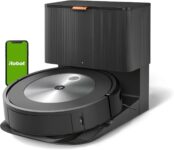
Auto-Emptying Base automatically transfers debris into a sealed dustbin, reducing manual emptying for weeks.
Smart Home Integration connects with Alexa, Google Assistant, and mobile apps for voice commands and remote control.
Personalized Cleaning Schedules allow custom routines for different rooms and times, optimizing efficiency.
Advanced Object Recognition identifies and avoids common obstacles like cables, shoes, and pet toys.
Hands-Free Debris Disposal keeps the dustbin empty with an automatic transfer system for minimal maintenance.
Higher price point in premium segment
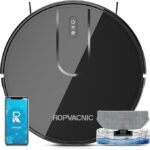
2-in-1 Vacuum & Mop Function combines sweeping and mopping with an electronically controlled water tank for dual-action cleaning.
Smart Navigation System uses gyroscopic mapping and infrared sensors to ensure efficient cleaning routes while avoiding obstacles.
Smart App & Voice Control connects with Alexa and Google Assistant for hands-free operation and remote scheduling.
Long Battery Life & Auto-Recharge runs up to 150 minutes per charge and automatically returns to the docking station when low on battery.
Large Dustbin & Water Tank minimize the need for frequent emptying and refilling, making maintenance easier and more convenient.
Small dustbin capacity of 500ml requires more frequent emptying.
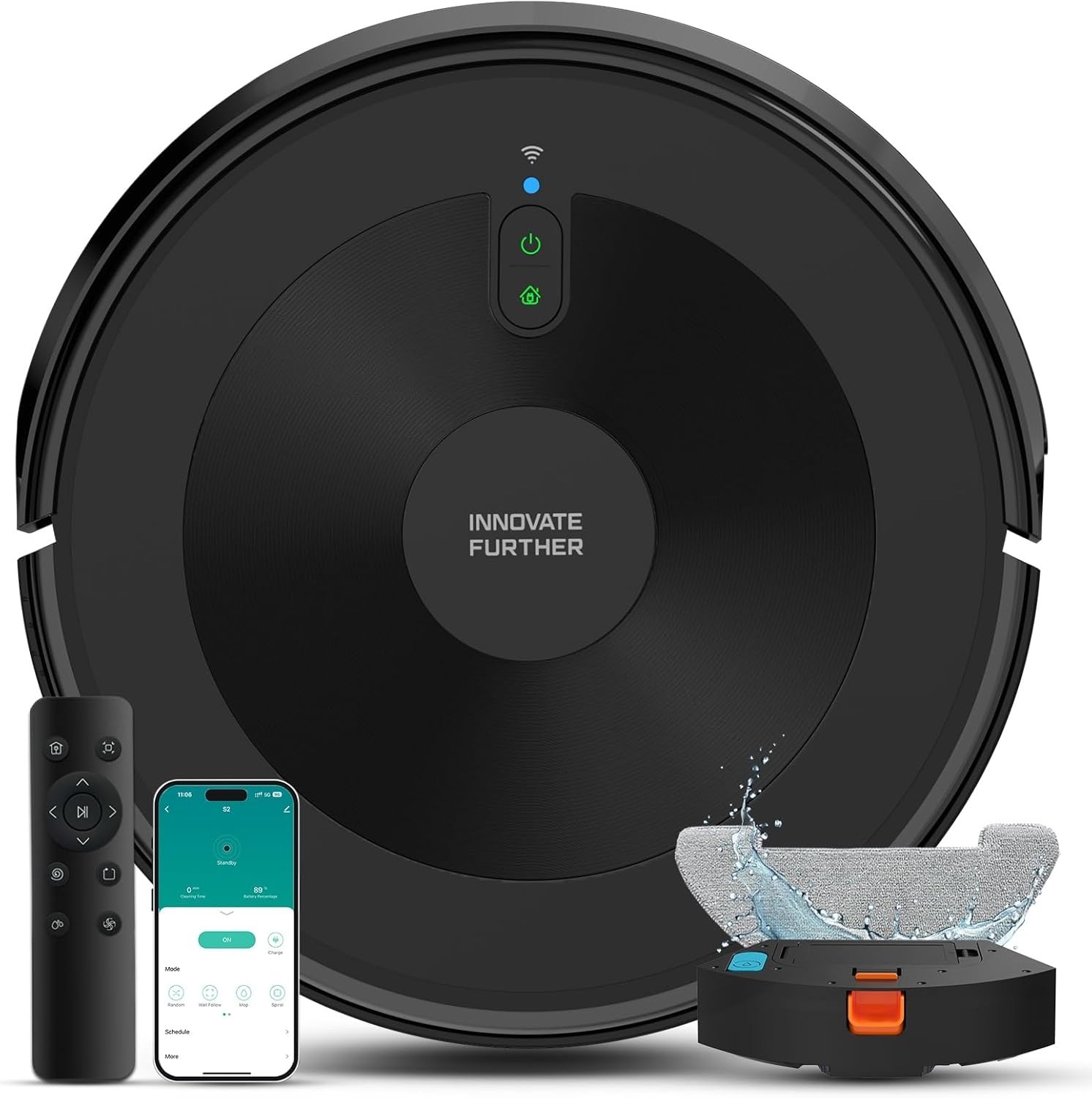
Mopping Function – 230ml water tank for dual cleaning.
Smart Navigation – Gyroscope mapping for efficient coverage.
App & Voice Control – Works with Alexa and Google Assistant.
Long Battery Life – 120-minute runtime with auto-recharge.
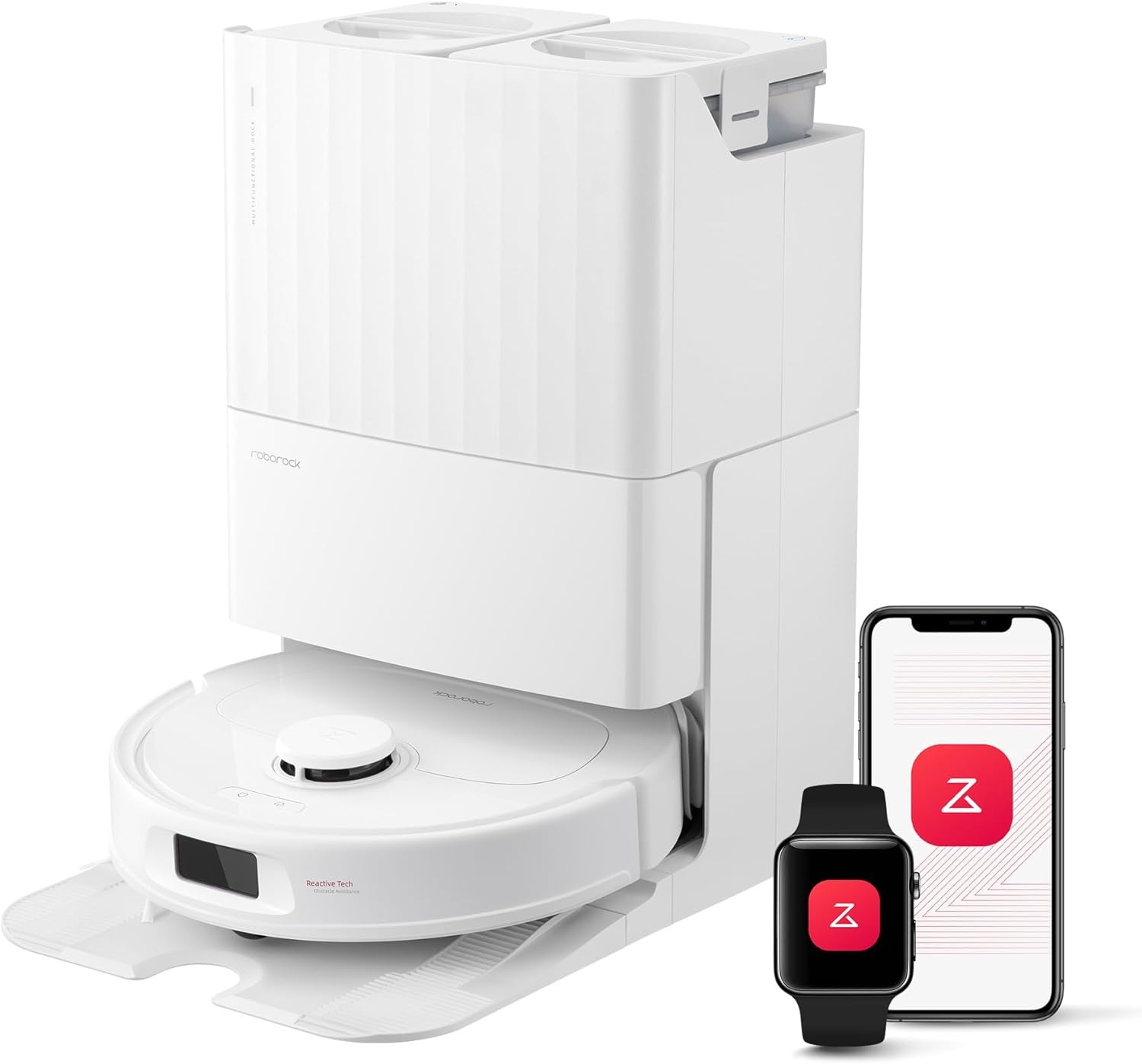
Advanced Mopping – Dual spinning mops & 350ml water tank.
Smart Navigation – LiDAR & AI mapping for precise cleaning.
Hands-Free Maintenance – Self-emptying & auto mop washing.
Long Battery Life – 180-minute runtime with auto-recharge.
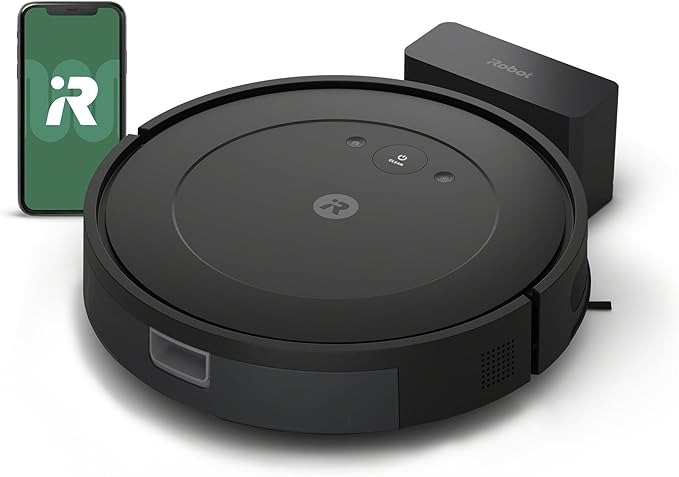
Dirt Detect™ Tech – Focuses on high-traffic areas.
Smart Control – App, Alexa, and Google Assistant support.
Auto-Adjusting Suction – Adapts to different floor types.
Reliable Battery – 90-minute runtime with self-charging.
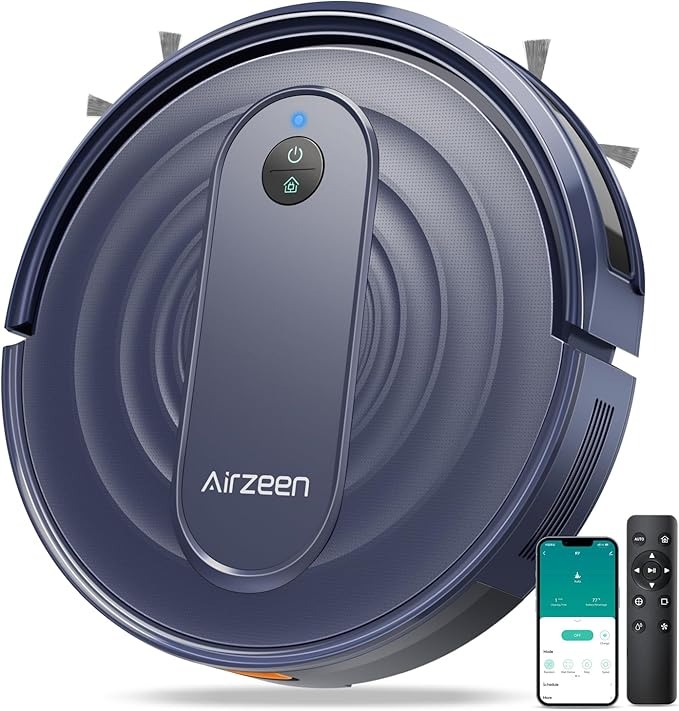
Mopping Feature – 250ml water tank for dual cleaning.
Smart Navigation – Gyroscope & IR sensors for accuracy.
App & Voice Control – Works with Alexa & Google Assistant.
Long Battery Life – 150-minute runtime with auto-recharge.
Key Features to Consider in best robot vacuum cleaners
The sparkling floors, no more grime of tedious cleaning, and an agreeable ambience free from dust within your home. Modern robot vacuum cleaners promise this . But, with so many choices available, what would help you find one that best suits your needs? Probably, a few core properties of these devices could swing the balance in your favor.
1. Cleaning Performance
The end efficiency of a robot vacuum cleaner heavily depends upon suction strength, brush design, and surface flexibility. Vacuum-cleaner models with suction strengths of 3000Pa and above are preferred for dexterous removal of pet hair and debris from carpets as well as hard floors alike. Cutting-edge brush systems and designated mop functions also assist cleaning efficiency-wise in every nook and corner of various floor types.
2. Navigation Technology
Sophisticated navigation systems such as LiDAR, camera-based mapping, and AI-based obstacle detection allow robot vacuum cleaners to generate very detailed floor plans and navigate complex layouts. These systems allow the robot to clean in a methodical fashion while circumventing obstacles and adapting to environmental changes for thorough and efficient net coverage.
3. Battery Life and Recharge
Long battery life is fundamental to uninterrupted cleaning, especially in larger homes. Most of today’s robots vacuum cleaners offer varying runtimes from 90 to 180 minutes. If the vacuum runs low on battery, the auto-recharge and resume feature allows it to return to the charging station and then continue cleaning after recharging, making the cleaning efficient without requiring human intervention.
4. Smart Features and App Integration
Most contemporary robots vacuum cleaners are equipped with various interesting smart features, such as app control, voice assistant compatibility (for example, Alexa, Google Assistant), and customizable cleaning schedules. These bring convenience to users with a lot of options for remote control, real-time view of the cleaning process, and setting up virtual walls or no-go zones, enhancing user experience.
5. Maintenance and Upkeep
Maintenance of a robot vacuum cleaner is an important parameter for consideration while making a purchase decision. Models that self-empty the dustbin, have washable filters, and boast tangle-free brushes lower manual cleaning and maintenance tasks. Such upkeep, however, is essential to achieve advanced performance and long life of the gadget itself.
6. Filtration System
An excellent filtration system must capture fine dust, allergens, and pet dander. Вереаг filters are primarily efficient in entrapment of particles as small as 0.3 microns to enhance indoor air quality, thus making them beneficial for allergy patients.
7. Design and Easily Accessible
The design of the robot vacuum cleaner provides an insight into how well it will be able to access tight spaces and navigate around obstacles. Slim profiles and low clearance heights ensure that the vacuum will be able to clean under furniture and along edges, which guarantees thorough cleaning even in hard-to-reach areas.
This guide includes the top 10 best robot vacuum cleaners 2026 with each special feature, performance, and what makes them exclusive from the many available in the market. You will be able to make a better-informed decision to keep your room neat without much effort at the end of the article. Are you ready to explore the future of cleaning? Let’s go for a search for the best robot vacuum cleaner
Our top five Recommendation of Best Robot Vacuum Cleaners 2026
ECOVACS DEEBOT X2 Omni
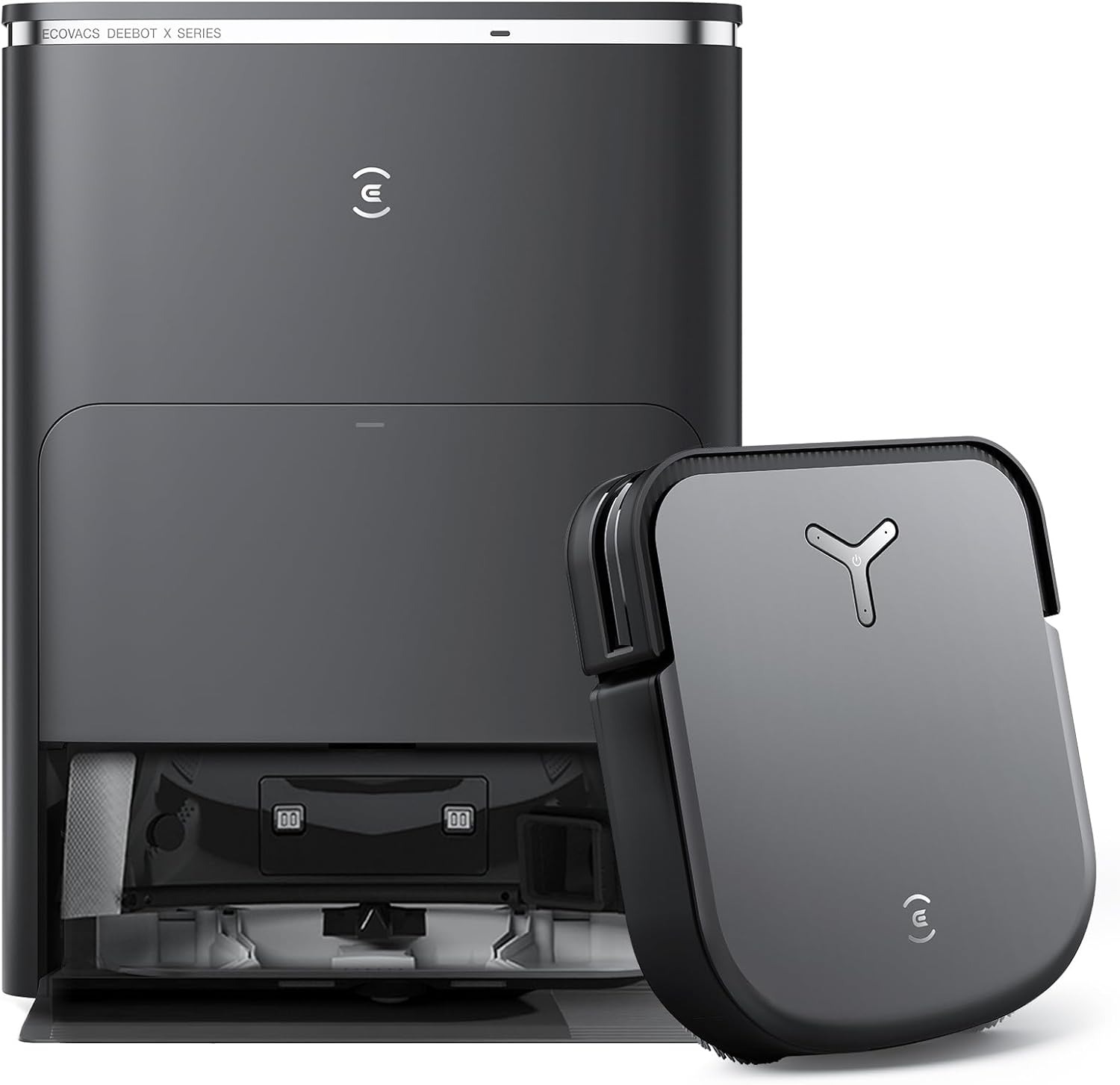
This ECOVACS DEEBOT X2 Omni eventually became our best overall after weeks of testing. Its 8000Pa suction power complemented by a square design made for terrific corner-to-corner cleaning performance on all types of flooring. Advanced AIVI 3.0 and TrueMapping 2.0 technology assisted with precise obstacle avoidance and navigation by recognizing and avoiding over 20 types of objects.
The all-in-one OMNI station had hot water mop washing, auto-emptying dustbin, and self-drying capabilities, among others, really offering hands-free maintenance. The OZMO™ Turbo 2.0 rotating mopping system with dual spinning mops dulled stains and automatically lifted 15mm for carpet detection. With a 6400mAh battery providing up to 180 mins of runtime and auto-recharge and resume functions, it was ideal for large homes. The overall experience was greatly enhanced by premium app control with 3D mapping, customizable cleaning schedules, virtual boundaries, and real-time monitoring, along with voice control compatibility with Alexa and Google Assistant. The only downside was the large docking station, which took a lot of space.
Lefant M210 Pro
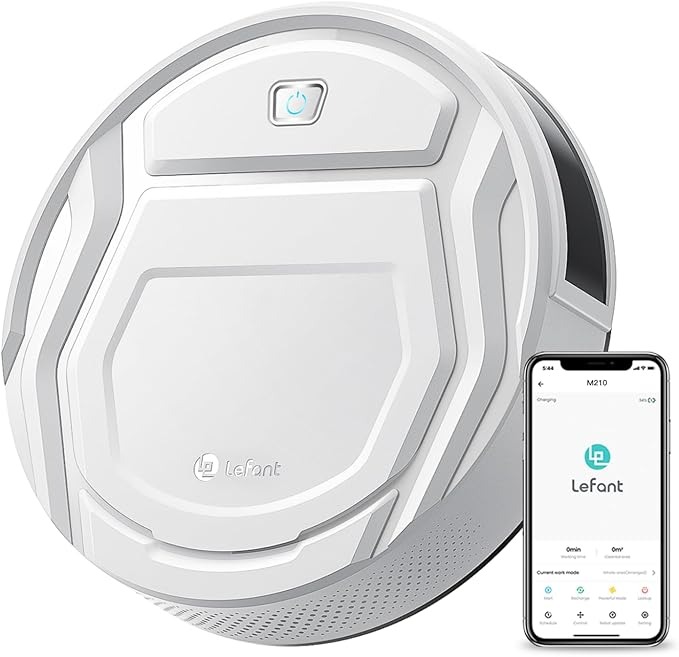
Lefant M210 Pro struck me as affordable and yet stylish. Featuring 2200Pa of strong suction that lifted dust, pet hair, and debris from hard floors and carpets evenly, the device hardly shunned anything, slim at an elegant 2.99″ to sneak under furniture and get into tight areas for thorough cleaning. The brushless suction port minimizes tangles, making it pet-friendly. With six cleaning modes being operated by auto, spot, edge, zigzag, scheduled, and manual, customized cleaning was offered.
The smart app and voice control included support for Alexa, Google Assistant, and app scheduling for hands-free operation. Freemove 3.0 Technology and 13 sensors avoided obstacles and prevented falls. The run time of 120 minutes covered large areas, automatically returning to the dock once the battery level went low. It also minimizes emptying frequency with a large 500ml dustbin to increase the efficiency of cleaning. The absence of mapping was a minor demerit.
eufy BoostIQ RoboVac 11S
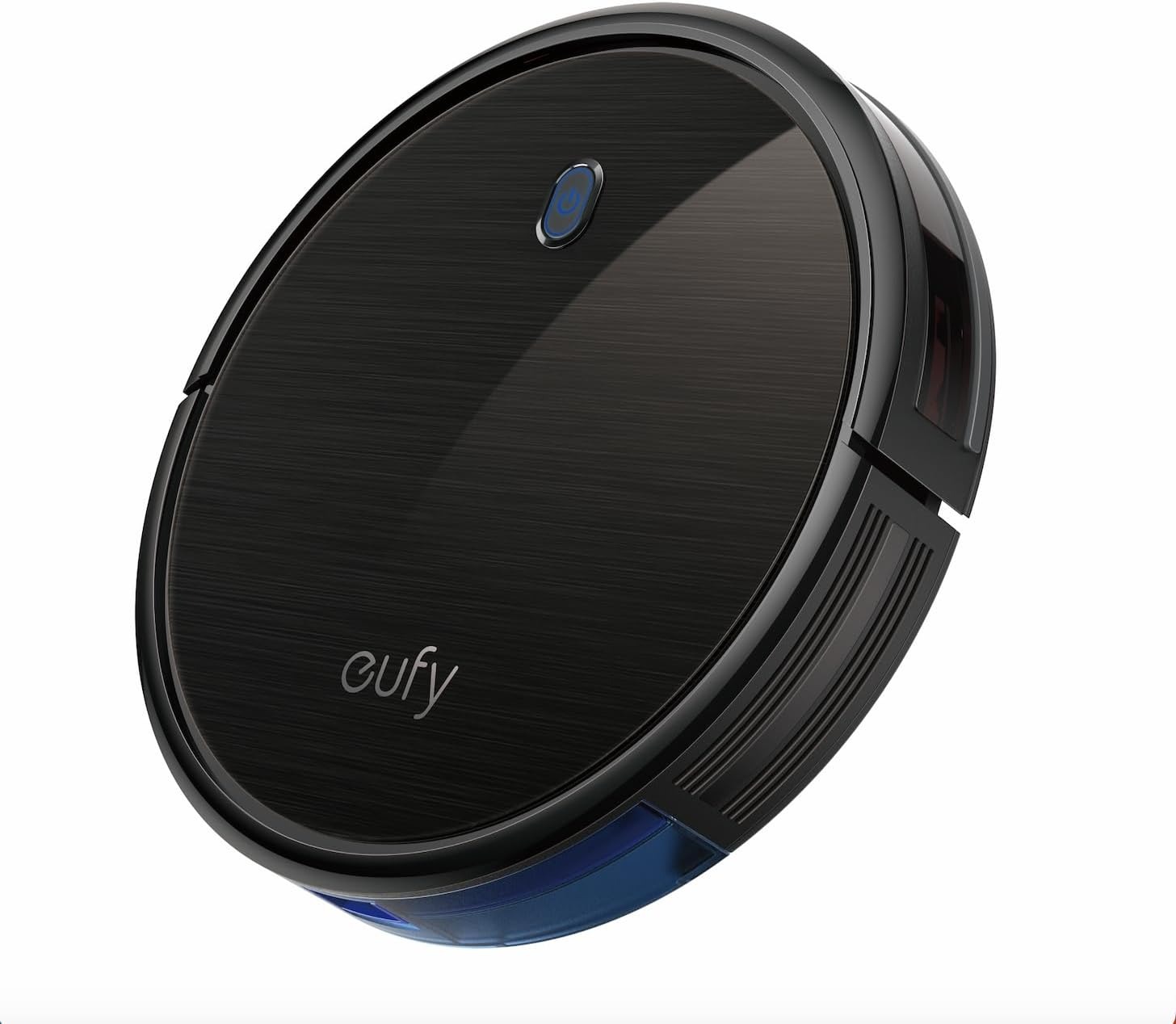
Eufy BoostIQ RoboVac 11S is the best option in budget to ever come up with. It has an ultra-slim design of 2.85 inches, which makes it possible to clean between furniture or within some very tight spaces. The suction of this eufy can reach some 1300Pa while eliminating dust and debris within seconds. BoostIQ Technology gives this vacuum cleaner an ability of detecting whenever extra cleaning strength is required, automatically increasing the suction power in just 1.5 seconds. The vacuum cleaner is capable of working for up to one hour and forty minutes on hardwood floors and has the functionality to auto-charge itself when the battery runs low.
It includes a triple-filter system that is efficient in trapping dust and allergens, as well as an anti-scratch tempered glass top cover. The Different Cleaning Modes – Which might include Auto, Edge, Spot, and Single Room – are there for your personalized cleaning needs. Make use of infrared sensors that were incorporated into the vacuum to detect obstacles. It has an anti-drop technology, which prevents it from falling over stairs. However, one will not find Wi-Fi or app control but reasonably simple functions.
Roborock S8 Pro Ultra
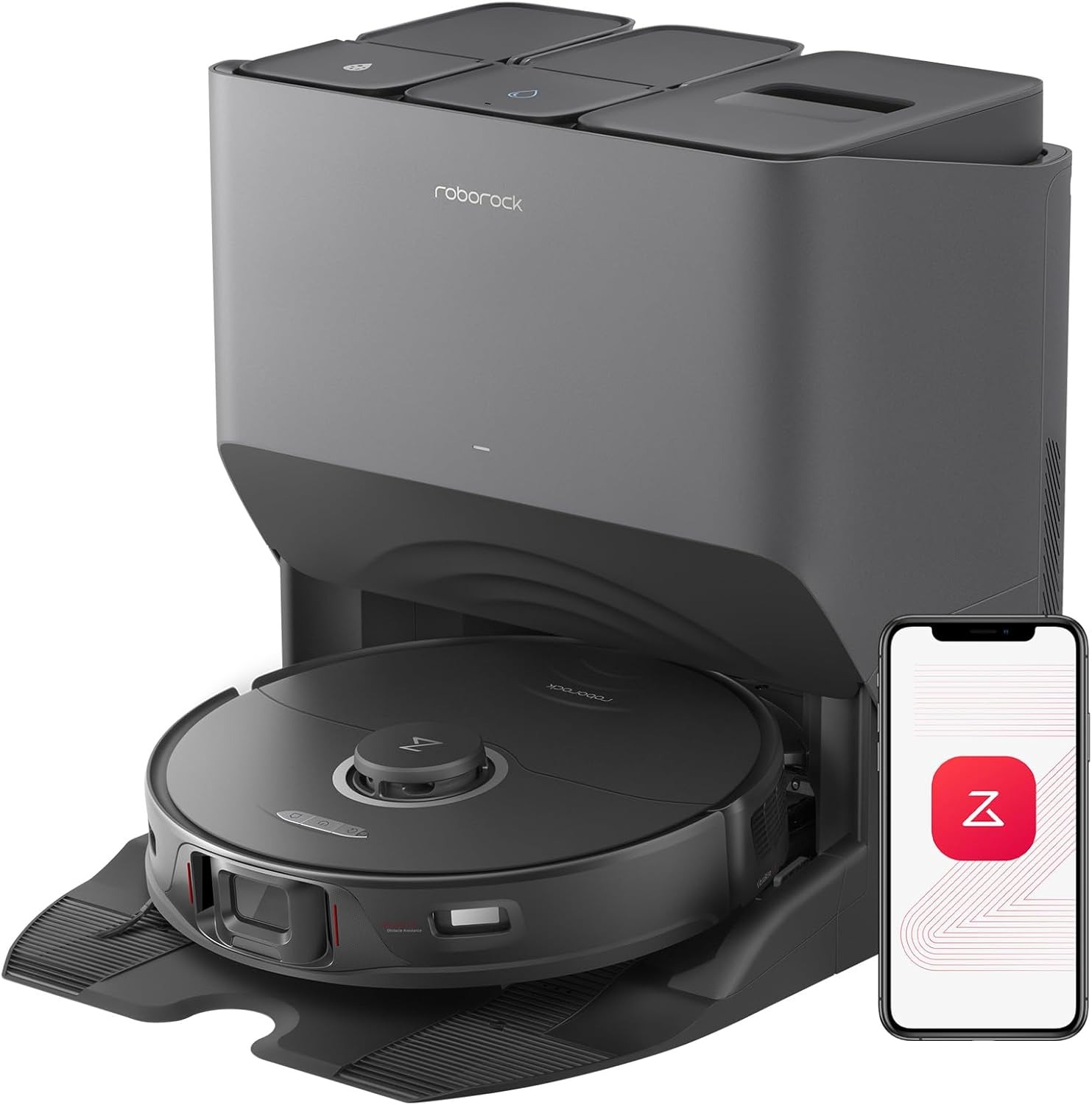
I can say that performance from this gadget during my tests was mindblowing . 6000Pa HyperForce suction made dirt flying off almost all surfaces and was able to kick those annoying pet hair off. The advantages of the dual roller brush were that fewer tangled hairs were noticed and they worked better when deep cleaning. The auto mop lift and wash feature lifted a mop on carpets and self-cleaned for zero-hassle maintenance. AI enables detection based on the previous sample of the home and avoids the same objects while roaming freely.
LiDAR maps the house and provides a multi-floor map that will be able to create the best-suited efficient map for cleaning. Smart app and voice control enable Alexa and Google Assistant along with scheduling cleaning along with customizable options. Last but not least, the battery life serving up to 180 minutes is a major plus point to making your cleaning effective. The only negative is that it’s priced a bit higher than other models.
How We Pick best Robot Vacuum Cleaners
Our evaluation method is about as comprehensive as it gets: it combines standardized testing with real-world use scenarios to rate the robot vacuum in terms of performance, usability, and price. Here’s a look at our process:
1. Cleaning Effectiveness
Simulated Messes– We develop messes that resemble real-life scenarios within the home to expose the effectiveness of the robotic vacuum:
Debris Pickup: Includes measuring the capacity of the robot to pick up different debris types-including rice, flour, pet hair, and cereal-on both hard floors and carpets. These weights are measured before and after cleaning so as to know the volume of debris removed.
Mopping Efficacy: Cleaning with a hybrid model involves over-the-top wet-drying messes, like chocolate syrup, or blackcurrant squash, applied onto the floor, and then evaluated on how well the robot vacuums them off.
2. Navigation and Obstacle avoidance
Observing the general approach of the robot moving through various environments:
Mapping Accuracy: The robot must map your home as fast and accurately as possible during the testing, using as many sensors while building detailed floor plans beforehand and adapting to conditions at subsequent runs.
Obstacle Detection: To test the robot on how well and when it can navigate around obstacles without getting stuck, we would put common objects found around the house, such as socks, cables, and small toys, in its way.
Edge and Corner Cleaning: We test how well the robot can clean along walls and corners, which are often missed by most robots.
3. Life and Charge of the Battery
We test the performance of the robot’s batteries in actual situations typical to users:
Runtime: The time the robot can run on one charge is timed because we believe it should clean the designated area ideally without having to recharge frequently.
Recharge besides Resume: For those larger homes, we also measure the capacity of a robot to return to his charging station when the batteries are low and carry on cleaning when recharged.
4. Smart Features and App Integration
We investigate how smart and connected a robot is:
App Control: How the companion app stacks up with respect to user-friendliness and reliability would be one such measure in addition to scheduling, mapping, and virtual boundaries.
Voice Assistant Capability: How hands-free control might be via voice assistants like Alexa and Google Assistant will all be integrated into our tests.
Customizable Settings: We will look at the availability of, for instance, no-go zones, cleaning modes, and firmware updates.
5. Safety and Maintenance
The robot’s design and user perspective:
Setup Process: Unboxing and setting it up-which fully includes installing components and connecting to the app-is where we assess how easy it is to get this robot up and running.
Maintenance: Cleaning of the dustbin, the robot brushes, and the air filters and frequency of maintenance as well are tested.
Noise Levels: We monitor during operation and self-emptying to ascertain that it operates under normal level noise levels for daily use .
6. Durability and Long-Term Performance
Long-term performance of the robotic systems is being observed:
Consistency: During the robot’s lifetime, we check whether cleaning performance was kept consistent.
Build Quality: We ascertain the quality standards of the materials and workmanship that make up the robot in order to judge its ruggedness.
Support and Warranty: The support by manufacturer and warranty are reviewed in order to guarantee satisfaction for the long term.
How You should pick the best Robot Vacuum Cleaner
There are things that you should consider when choosing a robot vacuum aligned to how you would want it to be used or suit your environmental conditions. Here are some things to look at:
1. The Home Layout and Different Flooring Types
Before choosing the best robot vacuum cleaner you should consider the structure of your home . Opt for models that come with advanced navigation systems that can map and adapt to your home’s layout. Houses having carpets and hardwood should provide vacuums adaptable with adjustable suction powers and brush systems to handle all different surface types.
2. Pets and Allergies
If anyone in the household owns animals, the vacuum should come with pet attachments such as the brushes or filters to help in picking up pet hair and pet dander. HEPA would be well-suited in trap-keeping those air pockets that hold very fine particles as well as allergens, making it conducive to healthy living. Other models or types may offer a cleaning mode especially designed for pets that could be used in areas with very sticky and stubborn hair.
3. Noise Sensitivity
If you have babies, old members in your home, or room occupants who tend to be very noise sensitive, you may find it necessary to find vacuums that will use very little noise in their operation. It already features several modern “silent mode” options that allow for low noise vacuuming while napping or sleeping without anyone left disturbed.
4. Smart Features and Integration
Consider the intelligent features of the vacuum. App control, scheduling, and integration with Alexa or Google Assistant increase convenience. A few models come with mapping features and virtual boundaries which allow you to create no-go zones or even customize where the cleaning will occur.
5. Maintenance and Care
Consider the maintenance of the robot vacuum. Self-emptying dust bins, washable filters, and self-cleaning brushes can save much time and effort in upkeep. It is also good to check if there is easy access to the components that would need regular cleaning or replacement.
6. Battery Life and Charging
A good factor to correlate battery life with is the size of your home. With larger homes or houses with multiple rooms, it would always be better to have more battery life. Features like auto-recharge and resume mean that it is operated without interference, ensuring its cleaning cycle is completed.
7. Pricing-Value Proposition
Establish your price point and set it against the entire range of features you’d get in return. While prizes come with top-notch features, some budget vacuum cleaners could provide the bare minimum of functions. Long-term value is also a consideration: how long the vacuum will last and how much replacement parts will cost should inform your decision.
Conclusion
The unique features of each of these robot vacuum cleaners meet various needs. The overall best choice is the ECOVACS DEEBOT X2 Omni, while the Lefant M210 Pro is excellent value for money. If you’re on a budget, the eufy BoostIQ RoboVac 11S will be great, while the Roborock S8 Pro Ultra delivers great performance. Take your time and choose one that fits your needs and budget.
FAQs
Robot vacuums cleaner use a combination of sensors, cameras, and software to navigate around a room. They detect dirt and debris while avoiding obstacles like furniture or walls. The robot vacuum cleaners use a suction mechanism to clean the floor.
Yes, most robot vacuums cleaner are designed to clean various floor types, such as hardwood, tile, and carpet. However, some models are specifically optimized for carpet or hard floors, so it’s essential to check specifications before buying.
Yes, most modern robot vacuums cleaner 2026 come with companion apps that allow you to schedule cleanings, control the vacuum remotely, and monitor the cleaning process. Popular apps include iRobot HOME (for iRobot models) and Roborock app (for Roborock vacuums).
Robot vacuums cleaner are designed to navigate around obstacles, but if they get stuck on something (like a rug or a piece of furniture), they will typically alert you via an app or beep to notify you. Some models will also automatically try to free themselves.